
Flat Roof Systems: What Sachse TX Property Managers Should Know

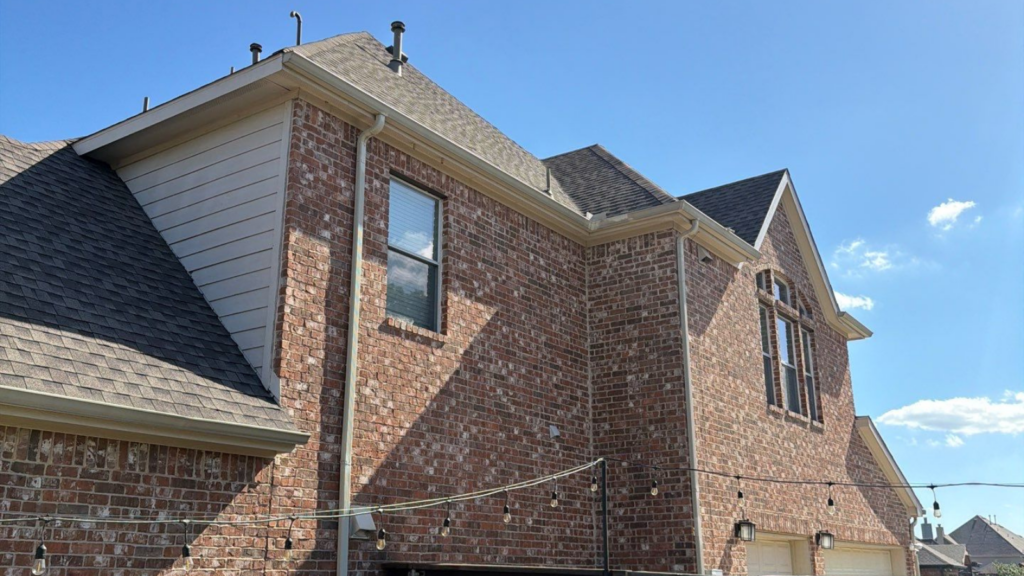
Flat roofing is commonly associated with commercial buildings, but many residential properties also include low-slope roof sections over patios, garages, home additions, and modern living spaces. For homeowners, landlords, and residential property managers, choosing the right flat roof commercial Sachse TX system is essential for protecting the structure from heat, heavy rain, wind, and other North Texas weather conditions.
How Is a Flat Roof Different From a Sloped Roof?
Despite its name, a flat roof should not be completely level. It needs a slight slope that directs rainwater toward drains, scuppers, or gutters. Without adequate drainage, water may collect in low areas and increase the risk of leaks or premature material deterioration.
A traditional sloped roof typically uses asphalt shingles, metal panels, or tiles that shed water quickly. A flat or low-slope roof requires a continuous membrane designed to resist standing water and protect the building at seams, penetrations, and drainage points.
When evaluating a flat roof commercial Sachse TX property, owners should pay close attention to drainage, membrane condition, flashing, seams, and rooftop penetrations.
Common Types of Flat Roof Systems
There is no single roofing system that works for every property. The appropriate material depends on the roof’s size, slope, use, existing structure, budget, and exposure to the Texas climate.
TPO Roofing
Thermoplastic polyolefin, commonly called TPO, is a single-ply roofing membrane frequently used on commercial and residential low-slope roofs. It is often white or light-colored, which can help reflect sunlight and reduce heat absorption.
TPO seams are typically heat-welded to create a continuous surface. When professionally installed, the membrane can provide dependable resistance to ultraviolet exposure, punctures, and weathering.
For owners researching a flat roof commercial Sachse TX solution, TPO may be attractive because of its reflective surface, straightforward maintenance, and ability to cover large roof areas efficiently.
EPDM Roofing
Ethylene propylene diene monomer, or EPDM, is a synthetic rubber membrane known for its flexibility. It is typically black, although other options may be available.
EPDM can adapt to temperature changes without becoming overly rigid. However, its dark surface may absorb more heat than a light-colored membrane. Installation quality is especially important around seams, roof edges, drains, and penetrations.
EPDM may be suitable for some flat roof commercial Sachse TX applications, but the building’s energy goals and sun exposure should be considered before selecting it.
Modified Bitumen Roofing
Modified bitumen roofing uses asphalt reinforced with polymers and installed in sheets. Depending on the product, it may be applied using adhesives, heat, or self-adhering methods.
This material offers multiple layers of protection and is often selected for roofs that may experience occasional foot traffic. Reflective coatings or light-colored surfaces can also help reduce heat absorption.
A professional evaluation can determine whether modified bitumen is appropriate for a particular flat roof commercial Sachse TX property.
Built-Up Roofing
Built-up roofing, sometimes called BUR, consists of alternating layers of asphalt and reinforcing materials. The surface is commonly finished with gravel, a mineral cap sheet, or a protective coating.
These systems have been used for decades and can provide strong protection when properly designed and installed. Because they may be heavier than single-ply membranes, the supporting structure must be evaluated before installation.
Drainage Is One of the Most Important Considerations
Water management is critical for any flat roof. North Texas storms can produce substantial rainfall in a short period, making effective drainage essential.
A well-designed flat roof commercial Sachse TX system may use internal drains, scuppers, gutters, downspouts, or a combination of these components. These drainage features must remain clear of leaves, branches, dirt, and other debris.
Water that remains on the roof long after a storm may indicate:
- Inadequate roof slope
- Clogged or undersized drains
- Compressed insulation
- Structural settling
- Improper installation
- Deteriorated roofing materials
Ponding water should not be ignored. Over time, it can place added weight on the structure and accelerate membrane deterioration.
Watch for Signs of Flat Roof Damage
Some roofing problems are visible from the ground, while others require a professional inspection. Property owners should avoid walking on a roof without proper training and safety equipment.
Common warning signs affecting a flat roof commercial Sachse TX system include:
- Water stains on ceilings or walls
- Bubbling, blistering, or wrinkling
- Open seams
- Cracked or deteriorated flashing
- Loose material around roof edges
- Punctures in the membrane
- Persistent ponding water
- Mold or musty odors indoors
- Damaged sealant around vents or pipes
Addressing small issues early may help prevent water from reaching insulation, decking, ceilings, and interior finishes.
Texas Heat Can Affect Flat Roofing
Roofs in Sachse experience prolonged sunlight and high summer temperatures. The roof surface can become much hotter than the surrounding air, creating stress as materials expand during the day and contract when temperatures fall.
UV exposure and repeated temperature changes can weaken seams, coatings, and flashing. Reflective membranes or compatible roof coatings may reduce surface temperatures, but they must be appropriate for the existing roofing material.
When selecting a flat roof commercial Sachse TX system, owners should consider solar reflectivity, insulation, ventilation, and the long-term effects of heat exposure.
Schedule Routine Roof Inspections
Preventive maintenance is generally more manageable than an unexpected roof failure. Flat roofs should be inspected regularly and after severe weather.
During a professional flat roof commercial Sachse TX inspection, a roofer may evaluate:
- Membrane condition
- Seams and fasteners
- Perimeter edges
- Flashing
- Drainage components
- Rooftop equipment
- Vent, pipe, and skylight penetrations
- Signs of trapped moisture
- Previous repairs
Keeping inspection and repair records can also help homeowners, landlords, and property managers monitor recurring concerns and plan for future roofing expenses.
Repair or Replace the Flat Roof?
A localized repair may be appropriate when damage is limited and the surrounding roof remains in serviceable condition. Replacement may be the more practical option if the roof has widespread deterioration, recurring leaks, wet insulation, extensive ponding, or multiple failed repairs.
The age of the system matters, but age alone should not determine the decision. Installation quality, maintenance history, drainage, storm exposure, and material condition all affect roof performance.
Before investing in another repair, request a complete assessment of the flat roof commercial Sachse TX system. A qualified roofing contractor can explain the roof’s condition and present options based on the property’s needs.
Work With a Local Roofing Professional
Flat roofing requires specialized materials, installation techniques, and drainage planning. Details that appear minor—such as an incomplete seam or poorly sealed penetration—can allow water into the roof assembly.
Fetch Roofing provides clear communication, dependable evaluations, and quality workmanship for property owners throughout Sachse, Mesquite, and nearby North Texas communities. Whether you own a home with a low-slope section, manage a rental property, or are responsible for a commercial-style roof, we can help you understand your options.