
The Insurance Claim Process for Roof Storm Damage in Rockwall TX

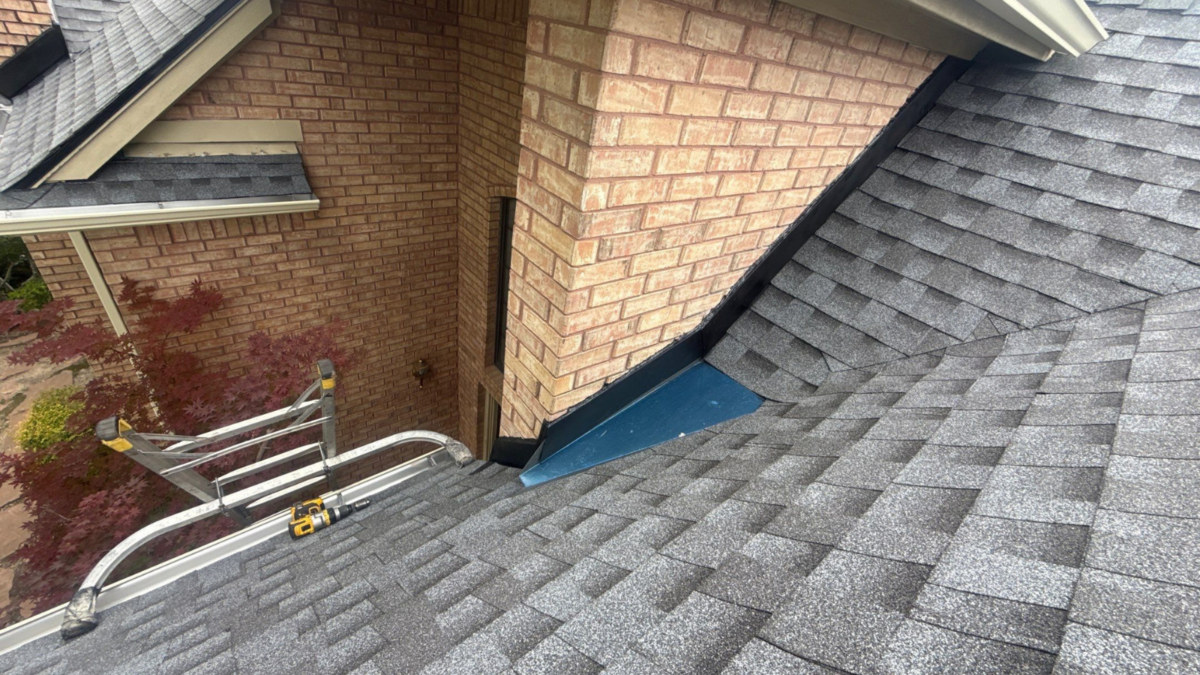
After a North Texas storm, homeowners may notice missing shingles, damaged gutters, or water stains inside the house. The next questions often involve insurance: Should you report a claim? What documentation is needed? Who determines whether the damage is covered?
Here is how to approach the process.
1. Check for Damage Without Taking Risks
Begin with observations from safe, accessible areas. Look for displaced shingles, fallen branches, damaged downspouts, and new interior staining.
Avoid climbing onto a roof that may be slippery or damaged. Keep people away from unstable ceilings, downed electrical lines, and wet electrical equipment.
For roof storm damage insurance Rockwall TX documentation, record what you can safely see and arrange professional evaluation where needed.
A ground-level photograph can identify a concern, but it does not establish the full extent or cause of roof damage.
2. Document Conditions and Prevent Further Damage
Take photographs or videos before temporary protection changes the scene, where safe. Record when you first noticed the problem and any relevant storm information.
The Texas Department of Insurance recommends documenting damage, taking reasonable steps to prevent further damage, and keeping receipts for related expenses.
When organizing roof storm damage insurance Rockwall TX records include interior damage and affected belongings.
Ask your insurer about temporary protection and its documentation requirements. Use appropriately equipped professionals for roof tarping rather than attempting unsafe access yourself.
3. Review Your Policy and Deductible
Locate your declarations page, policy, and roof-related endorsements. Ask your insurer or agent to explain the coverage that applies to the reported event.
TDI notes that wind and hail deductibles may differ from deductibles for other damage. It also explains that insurance does not pay for a new roof merely because the existing roof is old or worn.
For roof storm damage insurance Rockwall TX planning, confirm your deductible amount and relevant exclusions.
Do not assume every mark, leak, or missing shingle results in a covered replacement.
4. Report the Claim Promptly
Contact your insurer through its verified claims channel. Provide accurate information about the observed damage and avoid guessing about conditions that have not been evaluated.
TDI advises reporting promptly because policies have claim-reporting deadlines.
For roof storm damage insurance Rockwall TX claims, save the claim number, reporting date, representative’s contact information, and requested next steps.
Ask how to submit photographs and receipts. Confirm whether the insurer needs to inspect before permanent repairs begin.
Keep a communication log so requests and responses remain easy to track.
5. Arrange a Roofing Assessment
A roofing contractor can evaluate accessible roof components and explain observed repair needs.
Ask for photographs, identified locations, and a written description of findings. The assessment should distinguish observed conditions from conclusions requiring further investigation.
For roof storm damage insurance Rockwall TX evaluations, provide information about previous repairs, earlier leaks, and the roof’s approximate age.
A contractor’s estimate describes proposed construction work. It does not guarantee insurance approval.
Avoid authorizing unnecessary removal before the insurer has an opportunity to review the damage, while continuing reasonable temporary protection.
6. Participate in the Adjuster’s Inspection
Your insurer may assign an adjuster to inspect the property or review submitted evidence. Make relevant areas accessible and provide the requested records.
Point out reported concerns, including interior staining and damage that may be less obvious from the ground.
When discussing roof storm damage insurance Rockwall TX findings, ask questions if the adjuster’s description differs from your observations.
A contractor can provide factual roofing information and construction estimates. However, Texas prohibits a contractor from acting as a public insurance adjuster on a claim when also providing contracting services for that property.
7. Understand the Estimate and Payment Structure
Ask your insurer to explain the written estimate, deductible, depreciation, and any excluded work.
Replacement cost coverage and actual cash value coverage can produce different payments. TDI explains that actual cash value accounts for depreciation, while replacement cost coverage addresses current replacement costs subject to policy terms.
For roof storm damage insurance Rockwall TX budgeting, clarify whether additional depreciation may be recoverable and what evidence or deadlines apply.
Do not assume the first payment represents the complete available settlement.
8. Clarify Missing Information or Disputed Findings
Review the insurer’s estimate alongside the contractor’s scope. Identify specific differences rather than assuming either document includes everything.
If additional damage is discovered, ask your insurer how to submit supporting photographs, measurements, and construction information.
For roof storm damage insurance Rockwall TX disputes, request explanations in writing. Coverage questions belong with the insurer or an appropriately qualified representative.
TDI provides consumer assistance and explains that homeowners may hire a licensed public adjuster, subject to fees and applicable restrictions.
Keep unresolved questions separate from approved repair work.
9. Choose a Contractor and Pay Your Deductible
Request a written contract identifying materials, repair locations, payment terms, cleanup, and responsibility for unexpected conditions.
For roof storm damage insurance Rockwall TX projects, understand that Texas law prohibits contractors from waiving, rebating, or absorbing your deductible. Insurers may request proof that it was paid.
Avoid signing incomplete documents or relying on verbal promises about insurance payments.
Confirm the work you are authorizing and any costs that remain your responsibility before construction begins.
10. Complete Repairs and Preserve Your Records
Ask your insurer which completion documents it needs. Keep invoices, payment records, photographs, warranties, and correspondence together.
If a mortgage company is involved in releasing claim funds, ask about its process early. TDI notes that homeowners may need to coordinate repair payments with their mortgage company.
At Fetch Roofing in Mesquite, we encourage homeowners to combine prompt documentation with clear repair planning.