
Signs Your Commercial Roof in Forney TX Needs Professional Attention

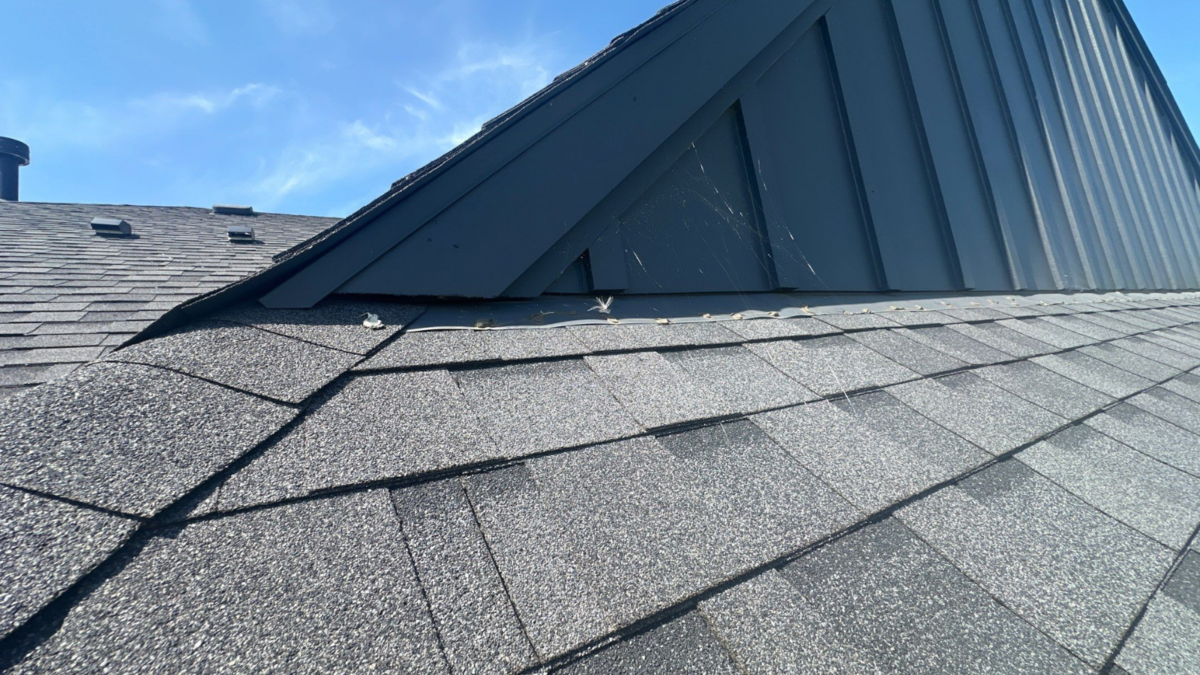
A commercial roof protects the people, equipment, inventory, and valuable property located inside your building. However, roof damage is not always obvious from the ground. Small cracks, drainage problems, damaged flashing, and worn roofing materials can gradually develop into leaks, mold growth, structural deterioration, and expensive interior repairs.
Here are some of the most common signs that your commercial roof needs professional attention.
1. Water Stains Inside the Building
Water stains on ceilings, walls, insulation, or structural components are among the clearest signs of a roofing problem. These stains may appear yellow, brown, or gray and can gradually grow after repeated rainfall.
Although a stain may seem minor, the visible damage might be located far from the actual roof leak. Water can travel along decking, insulation, pipes, and framing before reaching an interior surface. A professional experienced in commercial roofing Forney TX buildings can trace the moisture to its source and recommend an appropriate solution.
Ignoring water stains may lead to damaged drywall, electrical hazards, mold growth, and deterioration of the roof deck. Arrange an inspection as soon as you notice interior moisture.
2. Standing Water on the Roof
Many commercial buildings have flat or low-slope roofing systems. These roofs are designed to direct water toward drains, gutters, or scuppers. If water remains on the surface long after a storm, the drainage system may be clogged, improperly designed, or damaged.
Standing water adds unnecessary weight to the roof and can accelerate the deterioration of membranes, seams, and insulation. It may also encourage algae growth and attract insects.
Routine maintenance for commercial roofing Forney TX properties should include checking drainage areas and removing leaves, branches, dirt, and other debris. Persistent ponding water may indicate that the roof needs professional repairs, drainage improvements, or slope correction.
3. Bubbles or Blisters in the Roofing Membrane
Blisters and bubbles can form when air or moisture becomes trapped beneath a commercial roofing membrane. These raised areas may look harmless, but they can weaken the roof surface and make it more vulnerable to cracking or punctures.
Forney’s heat can cause trapped air and moisture to expand, increasing pressure beneath the membrane. Over time, the affected section may split and allow water to enter the roofing assembly.
A contractor familiar with commercial roofing Forney TX systems can determine whether isolated repairs are sufficient or whether the blistering indicates a more widespread installation or moisture problem.
4. Cracks, Tears, or Punctures
Commercial roofing materials may be damaged by storms, hail, falling branches, maintenance traffic, or equipment installation. Even a small puncture can allow water to enter the insulation and roof deck.
Damage commonly develops around walkways, HVAC units, access points, and areas where contractors frequently work. Cracks may also occur as roofing materials expand and contract during changing temperatures.
Do not cover a damaged area with an unapproved sealant or temporary material without understanding the underlying problem. Professional evaluation of commercial roofing Forney TX properties can help ensure that repairs are compatible with the existing roofing system.
5. Loose or Damaged Flashing
Flashing protects vulnerable areas around roof edges, walls, vents, pipes, skylights, and mechanical equipment. When flashing becomes loose, corroded, bent, or separated, water can enter through gaps in the roofing system.
High winds and repeated temperature changes can place stress on flashing and fasteners. Sealants around penetrations may also dry out or crack with age.
Because flashing problems are a frequent source of commercial roof leaks, every inspection of commercial roofing Forney TX buildings should include a careful review of penetrations, seams, transitions, and perimeter edges.
6. Clogged or Overflowing Drains and Gutters
Commercial roof drainage systems must handle significant amounts of water during North Texas storms. Clogged drains, damaged gutters, and blocked downspouts can cause water to collect on the roof or overflow near the building’s foundation.
Look for water spilling over gutter edges, vegetation growing near drains, loose downspouts, and debris accumulating around drainage openings. Interior leaks near exterior walls may also indicate a drainage problem.
Preventive service for commercial roofing Forney TX buildings should include regular gutter and drain cleaning, especially after severe weather or during seasons when leaves and debris are more likely to accumulate.
7. Rising Energy Bills
An unexpected increase in heating or cooling costs can sometimes point to a roofing issue. Wet or deteriorated insulation may lose its ability to regulate indoor temperatures. Open seams and damaged roof sections can also allow conditioned air to escape.
Energy consumption may rise gradually, making the problem difficult to notice without comparing utility bills over time. A professional roof inspection can identify visible damage and determine whether moisture may be affecting the insulation.
Maintaining commercial roofing Forney TX properties can support indoor comfort and help the building operate more efficiently throughout the year.
8. Mold, Mildew, or Musty Odors
Musty odors and visible mold may indicate that water has entered the building and remained trapped inside walls, ceilings, or insulation. These conditions can affect indoor air quality and damage building materials.
Roof leaks are not the only possible source of mold, but they should be investigated promptly. Professionals can examine the roof, drainage system, flashing, and penetrations to locate possible entry points.
Addressing moisture problems involving commercial roofing Forney TX systems early may reduce the risk of extensive remediation and recurring interior damage.
9. Damaged Roof Edges
The perimeter of a commercial roof is especially vulnerable to high winds. Loose metal, lifted membrane edges, missing fasteners, and separated seams may allow wind-driven rain to enter the roofing assembly.
Once wind gets beneath a loose section, it can lift additional material and expand the damage. After a severe storm, inspect the property from a safe location for hanging metal, displaced materials, or debris on the ground.
A qualified contractor should inspect the roof directly. Walking on an unfamiliar commercial roof without appropriate safety equipment can be dangerous and may cause additional damage.
10. The Roof Is Approaching the End of Its Service Life
Every commercial roofing system has an expected service life, but its actual condition depends on the material, installation quality, maintenance history, drainage, sun exposure, and storm damage.
An older roof does not automatically require replacement. However, recurring leaks, widespread seam failure, saturated insulation, and frequent repair expenses may indicate that replacement is more practical than continuing with temporary fixes.
A professional assessment of commercial roofing Forney TX properties can help owners compare repair, restoration, coating, and replacement options based on the roof’s current condition.
Why Regular Commercial Roof Inspections Matter
Commercial roofing problems often begin long before water becomes visible inside the building. Regular inspections can reveal loose flashing, open seams, membrane damage, blocked drains, and deteriorated sealants while repairs are still manageable.
Property owners should consider scheduling inspections at least periodically and after major hailstorms or high-wind events. Records of inspections, maintenance, photographs, and repairs can also help owners track the roof’s condition over time. If storm damage is suspected, this documentation may be useful when communicating with an insurance provider, although coverage depends on the specific policy and claim evaluation.
Professional maintenance for commercial roofing Forney TX buildings may also help protect manufacturer warranties. Some roofing warranties require documented inspections and prompt repairs.
Contact Fetch Roofing for Commercial Roofing in Forney TX
Delaying roof repairs can turn a manageable problem into widespread damage involving insulation, decking, ceilings, electrical systems, and interior finishes. If you notice leaks, ponding water, damaged flashing, punctures, mold, or rising energy costs, it may be time to schedule a professional inspection.
Fetch Roofing serves property owners in Forney, Mesquite, and nearby North Texas communities with dependable roofing inspections and repair recommendations. Our team can evaluate the visible condition of your roof, identify areas requiring attention, and explain the available options clearly.