
How to Handle Cracked or Warped Siding on Your Garland TX Home

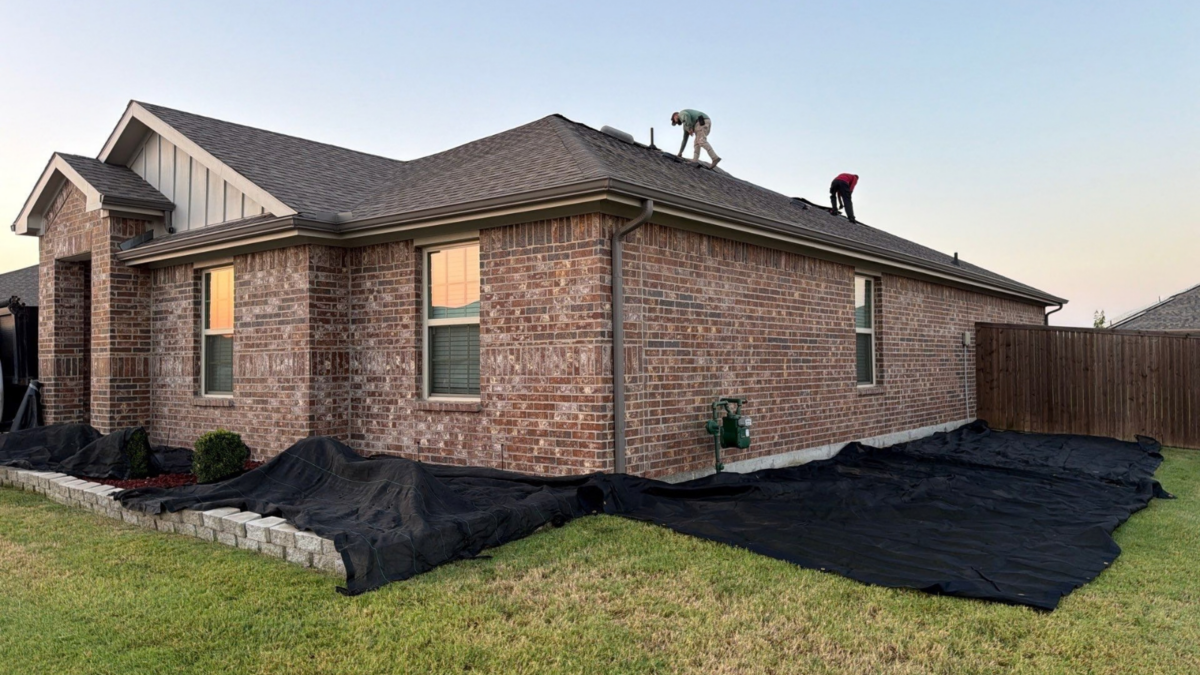
Cracked or warped siding can affect more than the appearance of your home. Siding is part of the exterior system that helps protect wall materials from wind, rain, sunlight, insects, and changing temperatures. When panels split, buckle, loosen, or pull away from the wall, moisture may reach areas that were previously protected.
Addressing the underlying cause can reduce the risk of the repaired area failing again.
Recognize the Signs of Siding Damage
Some siding problems are immediately visible, while others begin as small changes that become more noticeable over time. Walk around the entire home and inspect each elevation from several angles.
Look for:
- Cracked or split panels
- Wavy siding
- Buckled sections
- Loose panels
- Gaps at seams
- Siding pulling away from trim
- Melted or distorted areas
- Faded or blistered finishes
- Exposed fasteners
- Water stains
- Soft or swollen material
- Missing siding
- Damage around windows and doors
The appearance of the damage can provide clues about its cause. A single cracked panel may have experienced impact damage, while widespread waviness may indicate installation or heat-related problems.
Professional siding repair Garland TX service may be necessary when several elevations are affected or moisture damage is suspected beneath the siding.
Common Causes of Cracked Siding
Siding may crack because of impact, age, temperature changes, improper fastening, or material deterioration. Vinyl can become more brittle over time, especially after prolonged exposure to sunlight and changing temperatures. Fiber cement, engineered wood, metal, and other products can also crack or split under certain conditions.
Possible causes include:
- Hail
- Windblown debris
- Lawn equipment
- Tree branches
- Improper installation
- Fasteners placed incorrectly
- Siding installed too tightly
- Material aging
- Foundation or wall movement
- Water intrusion
- Expansion and contraction
Before arranging siding repair Garland TX homeowners should check whether the cracks are isolated or follow a larger pattern. Repeated cracking along seams, corners, or fasteners may point to an installation issue rather than accidental impact.
Why Siding Becomes Warped
Warped siding may appear wavy, bowed, rippled, or pushed outward. The cause depends on the siding material and the location of the distortion.
Vinyl siding must be able to expand and contract as temperatures change. If panels are nailed too tightly or do not have enough clearance around trim, they may buckle during hot weather.
Other causes of warped siding include:
- Excessive heat
- Reflected sunlight from nearby windows
- Moisture behind the siding
- Rotted sheathing
- Improper fastener placement
- Uneven wall surfaces
- Incorrect storage before installation
- Inadequate expansion gaps
- Structural movement
- Poor-quality repairs
Effective siding repair Garland TX work should address the source of the distortion. Replacing a warped panel without correcting tight fastening or concentrated heat exposure may lead to another failure.
Check for Storm and Hail Damage
Garland homes can experience strong winds, hail, thunderstorms, and windblown debris. Storm damage may leave holes, cracks, dents, loose panels, or damaged trim.
After severe weather, inspect the exterior for:
- Fresh cracks
- Round impact marks
- Chipped finishes
- Loose siding
- Missing sections
- Damaged corner posts
- Bent metal siding
- Cracked window trim
- Displaced soffit or fascia
- Water entering around openings
Do not inspect high areas from an unstable ladder. A professional can examine siding that is difficult to access safely.
If storm damage may be involved, photograph visible conditions before temporary or permanent repairs begin. Documentation may help create a clear record of the property’s condition, although the insurance company determines whether damage is covered under a specific policy.
Timely siding repair Garland TX homeowners schedule after a storm may help prevent additional exposure of the wall beneath the damaged area.
Look for Moisture Behind the Siding
Cracked or warped siding may allow moisture to reach the weather-resistant barrier, sheathing, insulation, or framing. In other cases, moisture from an existing flashing or wall problem may cause the siding to warp from behind.
Warning signs include:
- Soft areas
- Swollen boards
- Peeling paint
- Mold or mildew
- Musty odors
- Interior wall stains
- Damaged sheathing
- Repeated caulk failure
- Rusted fasteners
- Water marks below windows
The source of moisture may be located above or beside the visible damage. Roof-to-wall connections, windows, doors, penetrations, gutters, and damaged flashing should all be considered.
A complete siding repair Garland TX evaluation should include the materials beneath the siding when evidence of moisture is present.
Identify the Existing Siding Material
Repair methods vary according to the siding material. Common exterior products include:
- Vinyl siding
- Fiber cement siding
- Engineered wood siding
- Natural wood siding
- Steel or aluminum siding
- Composite siding
- Stucco systems
- Brick or masonry veneer
Vinyl panels are typically removed and replaced differently from fiber cement boards. Wood may require cutting, sealing, priming, and painting. Metal siding can be difficult to reshape after severe bending, while composite products have manufacturer-specific requirements.
Before beginning siding repair Garland TX homeowners should identify the manufacturer, product line, color, profile, texture, and installation method whenever possible.
Repairing Cracked Vinyl Siding
A severely cracked vinyl panel typically requires replacement. Covering the crack with caulk may provide only a temporary cosmetic change and could interfere with the material’s movement.
Replacing a vinyl panel generally involves:
- Unlocking the affected panel
- Removing or releasing fasteners
- Inspecting the surface beneath it
- Cutting or selecting a compatible replacement
- Providing proper expansion clearance
- Fastening the panel correctly
- Reconnecting the siding courses
- Checking alignment
Vinyl should not be nailed so tightly that it cannot move. Fasteners are usually installed through designated slots and left with the clearance required by the manufacturer.
Correct siding repair Garland TX service should preserve both secure attachment and seasonal movement.
Repairing Warped Vinyl Siding
Warped vinyl may sometimes be repositioned if the material has not been permanently deformed. However, panels that have melted, stretched, or developed lasting waves generally require replacement.
The repair should determine whether the cause was:
- Overdriven fasteners
- Insufficient trim clearance
- Incorrect overlap
- Wall irregularities
- Heat reflected from nearby glass
- Grill or equipment heat
- Missing insulation or sheathing repairs
If reflected sunlight caused the damage, installing another identical panel without managing the heat source may result in repeated warping.
Repairing Fiber Cement or Engineered Wood Siding
Cracked fiber cement boards commonly require replacement because patching may not restore their strength or appearance. New boards must be cut, fastened, flashed, and finished according to the manufacturer’s requirements.
Engineered wood siding may crack, swell, or deteriorate when cut edges, joints, or lower sections receive excessive moisture. Repairs may require:
- Removing the damaged board
- Inspecting the sheathing
- Correcting the moisture source
- Installing proper flashing
- Sealing cut edges
- Maintaining required clearances
- Using approved fasteners
- Applying compatible primer and paint
For these materials, siding repair Garland TX homeowners can rely on should follow product-specific instructions instead of using general methods intended for vinyl.
Repairing Wood Siding
Wood siding can often be repaired in sections, but the condition of the surrounding material must be evaluated. A cracked board caused by impact may need a straightforward replacement, while repeated splitting can indicate moisture movement or fastening problems.
Replacement wood should match the existing:
- Species, when possible
- Thickness
- Width
- Profile
- Texture
- Exposure
- Finish
Cut edges and exposed surfaces should be protected as required. The repair must also maintain proper flashing and drainage.
Wood filler or caulk may be appropriate for certain small defects, but these materials should not be used to conceal significant decay or structural damage.
Matching Existing Siding
Finding a matching replacement panel can be challenging. Siding colors may fade, manufacturers may discontinue product lines, and similar-looking profiles may have different dimensions.
A good match considers:
- Material
- Manufacturer
- Product line
- Color name and code
- Profile
- Exposure
- Texture
- Thickness
- Locking design
- Age and fading
Sometimes a replacement panel can be taken from a less visible area of the home, with a new material installed in that location. This approach requires enough compatible siding and should not compromise another part of the exterior.
Professional siding repair Garland TX contractors can help determine whether a reasonable match is available or whether a larger section should be replaced for a more consistent appearance.
Avoid Common DIY Siding Repair Mistakes
Homeowners may be tempted to cover a crack or force a warped panel back into place. These approaches can create additional problems if the cause is not understood.
Avoid:
- Nailing vinyl siding tightly
- Sealing drainage openings
- Caulking every visible joint
- Installing incompatible materials
- Ignoring damaged sheathing
- Covering active moisture problems
- Painting siding without checking compatibility
- Reusing damaged fasteners
- Leaving cut edges unfinished
- Working near electrical service equipment
- Using an unstable ladder
- Replacing panels without allowing movement
Proper siding repair Garland TX work must preserve water drainage, ventilation, flashing, and material movement.
When a Localized Repair May Be Enough
A limited repair may be appropriate when:
- Damage affects only one or two panels.
- The surrounding siding remains secure.
- No moisture damage is present.
- The underlying wall is sound.
- Matching material is available.
- The original cause has been corrected.
- The remaining siding has useful service life.
A localized repair can restore protection without replacing an entire elevation. However, homeowners should receive a clear explanation of any color or texture differences before work begins.
When Siding Replacement May Be More Practical
A broader replacement may be appropriate when:
- Many panels are cracked or warped.
- Damage affects multiple sides of the home.
- The siding is brittle or deteriorated.
- Moisture has damaged the wall assembly.
- Replacement materials are unavailable.
- Previous repairs have failed.
- The original installation is incorrect.
- The homeowner wants improved exterior performance.
- The existing product is near the end of its service life.
Before deciding, compare the cost and expected lifespan of repeated repairs with the cost of replacing the affected section or complete siding system.
Prevent Future Siding Damage
Routine inspections can help homeowners identify minor problems before they spread.
Preventive steps include:
- Inspecting siding after severe storms
- Keeping grills and heat sources away from walls
- Maintaining gutters and downspouts
- Repairing window and door flashing
- Trimming branches away from the house
- Correcting sprinkler overspray
- Maintaining paint and sealants
- Watching for insect activity
- Addressing loose panels promptly
- Keeping required clearances above roofs and grade
Homeowners should also save spare siding and product information after a repair or replacement. Matching materials may be valuable if future storm or impact damage occurs.
Schedule Siding Repair With Fetch Roofing
Cracked or warped siding should not be treated as a cosmetic problem until the underlying cause has been identified. Impact damage, tight fasteners, excessive heat, moisture, improper installation, and structural movement can all affect siding performance.
At Fetch Roofing in Mesquite, Texas, we help homeowners throughout Garland and surrounding North Texas communities understand roofing, siding, and exterior concerns. When you need siding repair Garland TX homeowners can start with a professional evaluation of the damaged panels, wall surface, flashing, trim, and nearby exterior features.