
Mold and Rot on Siding: What Rowlett TX Homeowners Should Do

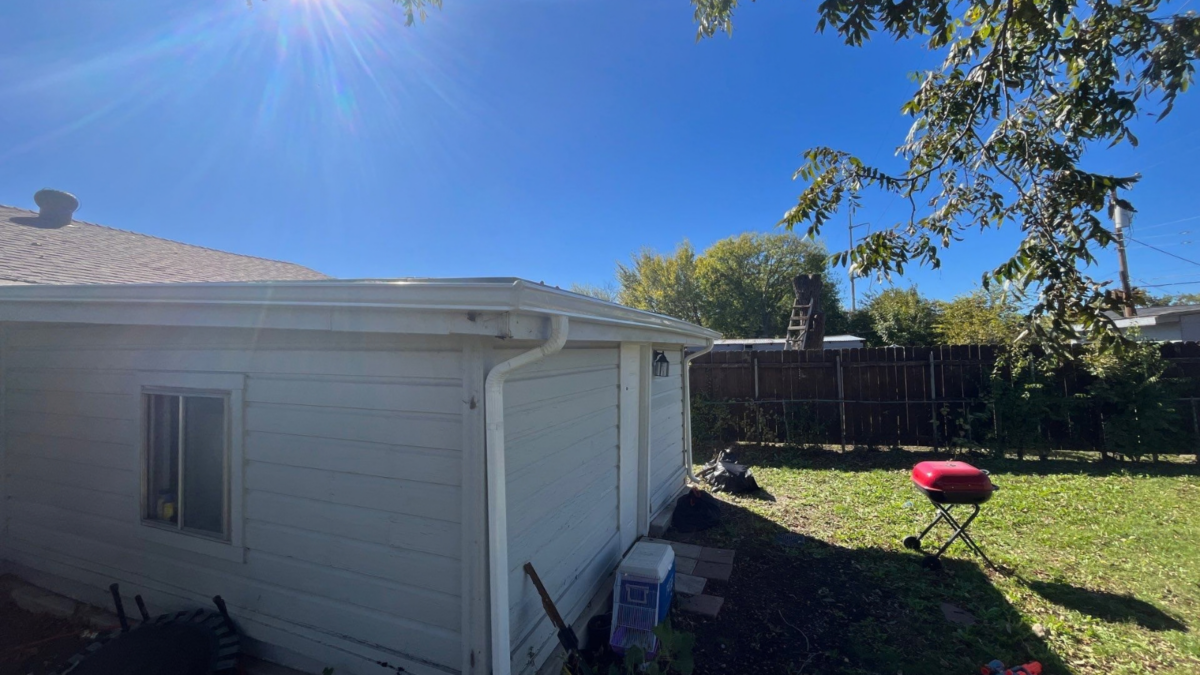
Mold, mildew, and wood rot can indicate that part of a home’s exterior is staying damp longer than it should. While surface growth may sometimes be a cleaning issue, soft or deteriorating siding can point to moisture reaching the material or the wall assembly behind it. Covering the discoloration without identifying the moisture source may allow the damage to continue.
Early evaluation can make the difference between replacing a few damaged boards and repairing a much larger section of the exterior.
Understand the Difference Between Mold and Rot
Mold is a type of fungal growth that develops when moisture and suitable organic material are present. It may appear as black, green, brown, gray, or white discoloration.
Rot is the deterioration of wood caused by certain fungi. As rot progresses, the material can lose strength, become soft, crack, crumble, or separate into fibers.
Mold may grow on surface dirt without significantly damaging the siding itself. Rot, however, means that wood or wood-based material has begun to deteriorate.
Before scheduling siding rot repair Rowlett TX homeowners should avoid assuming that every dark stain is rot. A professional inspection can help distinguish surface growth from structural deterioration.
Look for Warning Signs of Siding Rot
Rot is not always obvious from a distance. Paint or a thin outer surface may remain in place while the material underneath has weakened.
Warning signs include:
- Soft siding
- Swollen boards
- Crumbling wood
- Peeling or bubbling paint
- Deep cracks
- Open seams
- Dark stains
- Loose panels
- Musty odors
- Persistent mold growth
- Rusted fasteners
- Gaps around windows
- Damage near the ground
- Siding that breaks when lightly pressed
- Interior water stains
Never push aggressively on damaged siding. Severely deteriorated material may break, and hidden insects or sharp fasteners may be present.
Professional siding rot repair Rowlett TX service may be necessary when damage extends across several boards or appears around windows, doors, rooflines, or structural transitions.
Find the Source of the Moisture
Rot cannot develop without moisture. Replacing damaged siding without correcting the water source may lead to another failure.
Common moisture sources include:
- Leaking gutters
- Clogged downspouts
- Missing or damaged flashing
- Roof leaks
- Window or door leaks
- Sprinkler overspray
- Plumbing leaks
- Siding installed too close to the ground
- Missing clearances above roofs or decks
- Failed caulk
- Poor drainage
- Condensation
- Vegetation against the wall
- Water trapped behind the siding
The visible damage may not be directly below the original leak. Water can travel behind siding or along framing before it reaches an area where staining or rot becomes noticeable.
A complete siding rot repair Rowlett TX inspection should evaluate the roof edge, gutters, windows, doors, penetrations, trim, and drainage around the affected wall.
Check the Gutters and Downspouts
Gutters are intended to collect roof runoff and direct it away from the exterior. If a gutter overflows, leaks, sags, or pulls away from the fascia, water may repeatedly reach the siding below.
Look for:
- Water stains below gutter seams
- Overflow during rainfall
- Clogged downspouts
- Sagging gutter sections
- Loose fasteners
- Deteriorated fascia
- Water collecting near the foundation
- Downspouts discharging too close to the home
A siding repair may fail if an overhead gutter problem remains unresolved. Before completing siding rot repair Rowlett TX homeowners should make sure roof drainage is functioning correctly.
Inspect Windows and Doors
Window and door openings are common locations for moisture problems because several materials meet in a small area. Siding, trim, flashing, sealants, and the window or door frame must work together to direct water outward.
Signs of a problem include:
- Rot below window corners
- Peeling paint around trim
- Failed caulk
- Gaps above the opening
- Interior wall stains
- Swollen trim
- Soft siding
- Water marks beneath the sill
- Loose or missing flashing
Caulk can help seal specific exterior joints, but it should not be used as a substitute for proper flashing. Applying more sealant over a poorly designed opening may trap water or conceal ongoing deterioration.
Examine Roof-to-Wall Connections
Siding near a roofline can deteriorate when it touches shingles or lacks adequate clearance. Snow, rain, leaves, and debris may collect in this area, keeping the siding wet.
Roof-to-wall intersections should include correctly installed step flashing and, where appropriate, kick-out flashing. Kick-out flashing helps direct water away from the wall and into the gutter.
Potential warning signs include:
- Rot above or beside a roof
- Staining below the roof edge
- Siding touching shingles
- Missing flashing
- Repeated caulk repairs
- Water stains inside the home
- Damaged sheathing
- Overflow behind the gutter
For siding rot repair Rowlett TX homes with damage near a roofline may require both siding and flashing corrections.
Determine the Type of Siding
Different siding materials respond to moisture in different ways. Identifying the material helps determine whether repair or replacement is appropriate.
Natural Wood Siding
Wood siding can absorb moisture when paint fails, edges are exposed, or clearances are insufficient. Localized boards may be replaceable if the surrounding material remains sound.
Engineered Wood Siding
Engineered wood products require protected edges, correct flashing, approved fasteners, and manufacturer-specified clearances. Swelling or edge deterioration may indicate prolonged moisture exposure.
Fiber Cement Siding
Fiber cement does not rot like wood, but it can crack, delaminate, or experience finish problems when installed incorrectly or exposed to persistent moisture. Wood sheathing behind it can still decay.
Vinyl Siding
Vinyl does not rot, but moisture can become trapped behind damaged or incorrectly installed panels. The weather-resistant barrier, sheathing, and framing may deteriorate even when the vinyl looks relatively intact.
Composite Siding
Composite products have different formulations and installation requirements. The manufacturer’s instructions should guide repairs.
Before beginning siding rot repair Rowlett TX homeowners should identify both the visible siding and the materials underneath it.
Carefully Clean Surface Mold
Surface mold or mildew may sometimes be removed without replacing the siding, provided the material remains structurally sound and the moisture source has been corrected.
Cleaning methods should follow the siding manufacturer’s recommendations. Using the wrong chemical or excessive pressure may damage the finish, force water behind the siding, or create discoloration.
Avoid:
- Aggressive pressure washing
- Mixing cleaning chemicals
- Using abrasive tools
- Working without protective equipment
- Cleaning near electrical hazards
- Covering active rot with paint
- Allowing runoff to damage plants
Cleaning improves appearance, but it does not repair decayed material. If the siding is soft, swollen, crumbling, or structurally weakened, siding rot repair Rowlett TX service may require removal and replacement.
Remove Damaged Siding
When siding is rotted, the affected boards or panels generally need to be removed. The repair area should extend back to stable material so the new siding has a sound attachment surface.
The process may involve:
- Removing damaged siding and trim
- Inspecting the weather-resistant barrier
- Examining the sheathing
- Checking framing where accessible
- Locating the moisture source
- Repairing damaged wall materials
- Restoring flashing
- Installing compatible siding
- Sealing or finishing required surfaces
- Repainting or blending the repair
Simply attaching new siding over rotten material can conceal damage and leave the wall vulnerable.
Inspect the Sheathing and Framing
The most important conditions may be hidden behind the siding. Once damaged material is removed, the wall should be inspected for:
- Soft sheathing
- Dark staining
- Fungal growth
- Delamination
- Rusted fasteners
- Wet insulation
- Insect activity
- Damaged framing
- Air gaps
- Failed flashing
- Missing weather-resistant barrier
If the sheathing or framing is affected, the repair becomes more extensive. These materials must be restored before the siding is replaced.
A thorough siding rot repair Rowlett TX project should address all deteriorated layers rather than stopping at the outer surface.
Repair the Moisture Source First
New siding should not be installed until the cause of the damage has been corrected. Depending on the problem, this may require:
- Repairing gutters
- Clearing downspouts
- Installing proper flashing
- Correcting roof leaks
- Repairing window or door openings
- Redirecting sprinklers
- Improving ground drainage
- Replacing failed trim
- Correcting clearances
- Repairing plumbing
- Improving ventilation
- Removing vegetation from the wall
The repaired area should be dry and stable before it is closed. Installing new materials over damp sheathing may trap moisture inside the wall.
Match the Replacement Siding
Matching existing siding can be difficult because materials fade and product lines change. A proper match should consider more than color.
Compare:
- Material
- Manufacturer
- Profile
- Width
- Thickness
- Texture
- Exposure
- Edge design
- Fastening method
- Color and finish
If an exact match is unavailable, homeowners may need to replace a larger section for a more consistent appearance. Another option may involve moving a matching piece from a less visible location and installing new material there.
Professional siding rot repair Rowlett TX contractors can explain whether a localized repair will blend reasonably with the existing exterior.
Do Not Paint Over Rot
Paint can temporarily hide staining, but it cannot restore the strength of decayed siding. Coating damaged material may also trap moisture and make it more difficult to monitor the problem.
Before painting, confirm that:
- All rot has been removed.
- The moisture source has been corrected.
- The replacement material is dry.
- Cut edges are protected.
- The primer is compatible.
- The finish matches the siding product.
- Required cure times have been followed.
Paint is a protective finish, not a structural repair.
Watch for Insect Activity
Moist wood can attract or support certain insects. Rot and insect damage may occur in the same location, especially near the ground, decks, rooflines, and window openings.
Signs may include:
- Small holes
- Tunnels
- Frass or sawdust-like material
- Hollow-sounding wood
- Insect wings
- Damaged trim
- Repeated deterioration
An appropriate pest professional may be needed when active infestation is suspected. Replacing siding without addressing insects could allow damage to continue.
Prevent Mold and Rot From Returning
Regular exterior maintenance can help reduce future moisture problems.
Homeowners should:
- Keep gutters and downspouts clear.
- Extend drainage away from the home.
- Adjust sprinklers to avoid exterior walls.
- Maintain window and door sealants.
- Preserve roof-to-wall flashing.
- Trim vegetation away from siding.
- Keep siding above soil and mulch.
- Repair peeling paint.
- Inspect after major storms.
- Address loose panels promptly.
- Maintain ventilation where required.
- Monitor recurring stains.
For lasting siding rot repair Rowlett TX homeowners should continue inspecting the repaired area after heavy rainfall.
When Localized Repair May Be Enough
A limited repair may be appropriate when:
- Damage affects a small area.
- The moisture source is clear.
- The surrounding siding remains sound.
- Sheathing damage is limited.
- Matching material is available.
- The wall can be dried properly.
- There is no widespread insect activity.
Localized repairs can preserve more of the existing exterior while restoring protection to the damaged section.
When More Extensive Replacement May Be Needed
Replacing a larger section or complete elevation may be more practical when:
- Rot affects several areas.
- The siding has widespread deterioration.
- Hidden damage extends beyond the visible section.
- Matching products are unavailable.
- Installation problems affect the entire wall.
- Previous repairs have repeatedly failed.
- The existing siding is near the end of its service life.
- Major flashing improvements are necessary.
A written assessment should explain the condition of the visible siding and any underlying materials inspected.
Schedule Siding Rot Repair With Fetch Roofing
Mold and rot should not be handled as appearance problems alone. Discoloration may indicate persistent moisture, and soft siding can signal deterioration extending into the wall assembly.
At Fetch Roofing in Mesquite, Texas, we help homeowners throughout Rowlett and surrounding North Texas communities understand roofing, siding, gutter, and exterior drainage concerns. When you need siding rot repair Rowlett TX homeowners can begin with an inspection of the siding, trim, flashing, gutters, windows, doors, and affected wall areas.